
Faith, Fate, and Self-Reliance
The PeasantsThis thread traces the tension between religious submission, beliefs about an unchangeable order, and acts of practical resistance.
increasing Bearing strength in each event
 decreasing
Bearing strength in each eventdecreasingA World Given by God
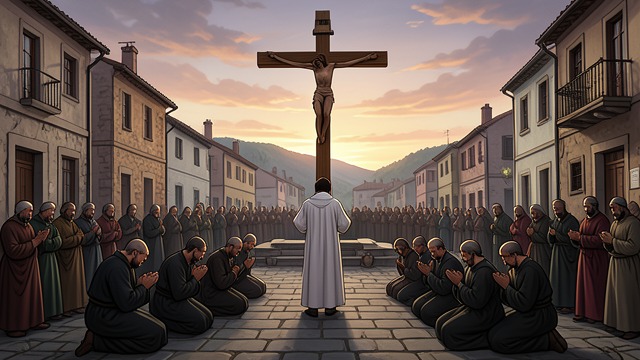
A World Given by God
Everyday belief
The villagers greet, work, and endure hardship through Catholic prayer and familiar rituals that give structure to rural life.
Fate as explanation
Poverty and hierarchy are often described as God’s ordering, making injustice seem natural and beyond human change.
Kuba Learns His Place
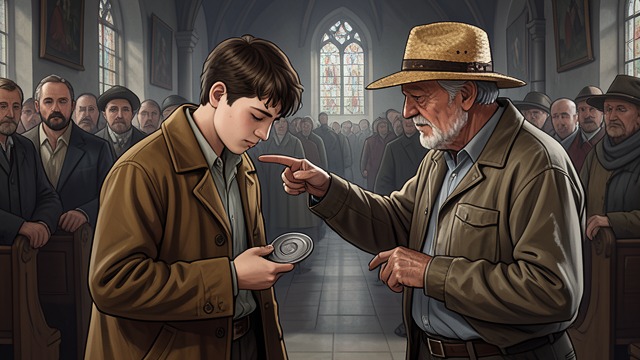
Kuba Learns His Place
A challenge to hierarchy
Kuba’s joy after receiving a coin from the priest briefly emboldens him to stand among the farmers at church.
Correction and submission
Maciej tells him that a farmhand has a fixed place, and Kuba accepts the lesson with sorrowful resignation.
Prayer and Private Doubt
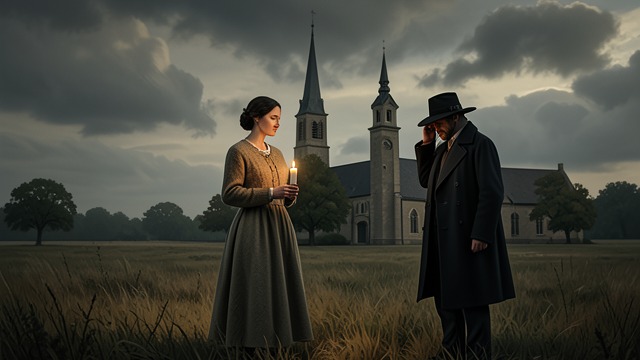
Prayer and Private Doubt
Religious comfort
Rituals of Christmas and All Souls’ Day help villagers face death, hunger, and the unknown.
Questions remain
Jagustynka challenges providential explanations, while Rocho answers with faith, exposing unresolved tension between belief and lived suffering.
A Forest Dispute Becomes Action
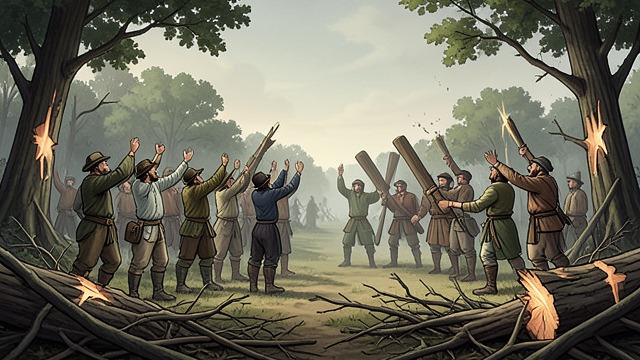
A Forest Dispute Becomes Action
From prayer to defense
When formal complaints fail to protect the forest, villagers organize and confront those felling it.
Self-reliance under pressure
Their collective action shows that people can defend their rights themselves, even while remaining shaped by fear and custom.
The Village Chooses Exclusion
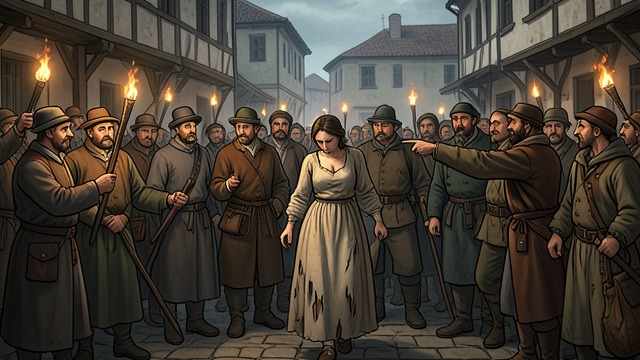
The Village Chooses Exclusion
A collective verdict
The villagers claim authority to punish Jagna and expel her, treating communal judgment as the remedy for disorder.
A moral contradiction
The punishment exposes how a community can speak of justice while using humiliation and violence to protect its own customs.
early autumn
autumn
winter
spring
near the ending
